
PRF (Platelet-Rich Fibrin) is a dental tissue-regeneration method that uses a fibrin membrane enriched with platelets from the patient’s own blood to accelerate healing after surgical procedures in the oral cavity.
When gum surgery, wisdom tooth extraction, or implant placement is needed, one of the most important questions patients ask is how quickly and successfully the tissue will recover. PRF treatment is a method that significantly speeds up that process, using only your own blood. It is a completely natural preparation that is made immediately before the procedure and applied directly to the treatment site to stimulate tissue regeneration and ensure stable wound healing.
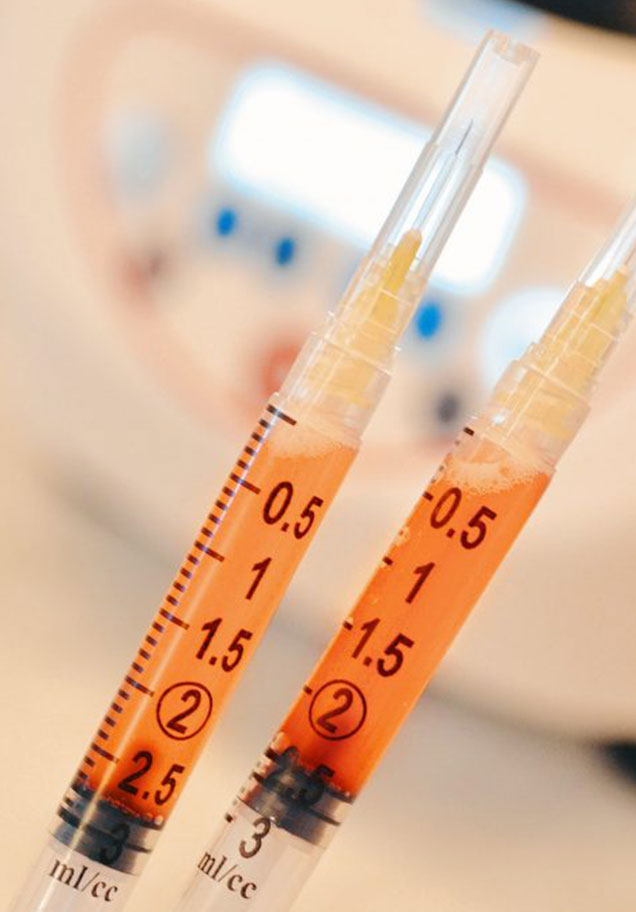
DentalVortex uses PRF therapy as part of its surgical and periodontal protocol, precisely where high-quality formation of new tissue makes a difference. Your body already has everything it needs to recover. PRF treatment simply puts that into motion.
What Is PRF Treatment and How Does It Work
PRF stands for Platelet-Rich Fibrin – a fibrin matrix enriched with platelets. The PRF protocol was introduced into dentistry by Dr. Joseph Choukroun in 2001 and has since become widely accepted in oral surgery around the world.
Platelets (thrombocytes) are cells naturally found in your blood that contain growth factors. These growth factors stimulate the formation of new blood vessels, bone tissue renewal, and collagen production. This is precisely why PRF therapy delivers results that are not achievable with synthetic materials.
Because the preparation is made exclusively from the patient’s own blood, the risk of an allergic reaction is virtually nonexistent. There are no chemical additives, no foreign substances.
How the PRF Preparation Is Made
Preparing the PRF preparation is simple and takes only a few minutes.
Drawing blood
A small amount of blood is drawn from a vein in the forearm, just like a standard blood draw.
Centrifuge
The tube containing your blood is placed in a centrifuge, which separates the blood into fractions.
Membrane extraction
A fibrin network rich in platelets and growth factors is separated out.
Application
The resulting PRF preparation is shaped and applied directly to the treatment site.
The entire preparation process takes about 10 minutes and is performed immediately before the procedure under sterile conditions.

When Is PRF Therapy Used
PRF therapy is routinely used in oral surgery and periodontology. This is not an experimental method – PRF is part of the standard treatment protocol in situations where it is necessary to stimulate tissue healing or reduce the risk of complications after a procedure.
Here are the most common situations in which PRF treatment is used:
Gum surgery (flap surgery)
In cases of advanced periodontitis, when gum disease and bone loss around the teeth have already progressed, surgical intervention is required. The PRF preparation is applied together with bone substitutes to accelerate integration and improve the final outcome.
Tooth and wisdom tooth extraction
It is placed in the socket after extraction to stimulate bone regeneration. With wisdom teeth, it contributes to significantly faster healing and less post-operative swelling.
Alveolitis (dry socket)
The PRF membrane takes over the protective role of the lost blood clot, shields the wound, promotes healing, and quickly reduces the severe pain associated with this condition.
Bone augmentation and sinus lift
Combined with bone material (synthetic bone) to accelerate new bone formation prior to dental implant placement.
Gum recession
In cases of gingival recession, it is applied to the affected area to stimulate soft tissue regeneration and restore the protective function of the gums.
What to Expect During and After PRF Treatment
The preparation of the PRF preparation itself is painless and no different from a standard blood draw. The application of the preparation takes place as part of the planned procedure, under local anesthesia, so you will not feel pain during the procedure. PRF treatment extends the total procedure time by only 10 to 15 minutes.
After the anesthesia wears off, mild discomfort may occur, but patients who have received PRF therapy most often describe it as less than with the same procedures performed without PRF.
A few practical tips for the recovery period:
Recommended:
- Soft, lukewarm food during the first few days
- Cold compresses applied externally to reduce swelling on the first day
- Regular but gentle oral hygiene with a soft toothbrush
- Regular follow-up visits to monitor healing and have sutures removed
Avoid:
- Vigorous mouth rinsing and spitting on the first day so as not to disturb the blood clot
- Hot beverages, alcohol, and strongly spiced food
If you notice severe pain that is worsening, an elevated temperature, purulent discharge, or an unpleasant odor from the mouth, contact your dentist immediately. A timely response prevents more serious complications.
Who Can and Cannot Use PRF
PRF therapy is suitable for the majority of patients in good general health. There are no age restrictions, and the method is especially beneficial for patients at increased risk of healing complications, such as smokers and diabetics, precisely because PRF additionally stimulates the body’s regenerative processes.
However, there are situations in which PRF is not recommended. Contraindications include:
- Serious coagulation disorders and thrombocytopenia (reduced platelet count in the blood)
- Autoimmune and malignant diseases
- Active sepsis (a severe infection spreading through the body)
- Chronic liver disease
- Use of anticoagulant therapy (medications that prevent blood clotting)
- Pregnancy
Before every procedure in which PRF application is planned, the dentist will review your health status and test results. If PRF is not an option for you, an appropriate alternative solution will be proposed.
PRF Treatment Price at DentalVortex
The exact price depends on the type of procedure and the number of teeth being treated. For a precise treatment plan and cost estimate, call us or schedule an appointment.
| Service | Price |
|---|---|
| Surgical treatment of periodontal disease (flap surgery per tooth with bone substitute) | 7000 RSD |
| PRF preparation | 6000 RSD |
| PRF preparation for 2 teeth | 10000 RSD |
| PRF preparation for a full jaw | 14000 RSD |
Frequently Asked Questions About PRF Treatment
Scheduling PRF Treatment in Belgrade
PRF therapy is not a complicated procedure, but it makes a real difference in how you get through recovery and what results you can expect after a surgical or periodontal procedure. If you have a tooth extraction, gum surgery, implant placement, or any other procedure coming up where PRF could help, talk to our team about it.
DentalVortex is located in the Zvezdara neighborhood of Belgrade, in the East Side complex next to the Aviv Park shopping center. You can call us or fill out the scheduling form, and we will get back to you as soon as possible.