
Baby teeth are not “temporary” teeth that can be ignored. They stay in a child’s mouth until around age twelve and play a key role in jaw development, speech, and the proper eruption of permanent teeth.
Treating baby teeth is not just a matter of aesthetics — it is the foundation of long-term oral health. At the DentalVortex clinic in Zvezdara, parents receive clear answers, practical advice, and treatment that is tailored to the child, not just the tooth.
What Are Baby Teeth?
Baby teeth are the first set of teeth that appear in children. They are also called primary or deciduous teeth. They begin to erupt around the sixth month of life and are fully formed by age three. Their role is not only to allow a child to chew and speak, but also to hold space in the jaw for the permanent teeth that come later. Every baby tooth has its own “successor” — a permanent tooth waiting beneath the gum that will replace the baby tooth at the right moment. That is precisely why the health of baby teeth is directly linked to the proper development of permanent teeth.
Which Teeth Are Baby Teeth and How Many Are There
A child has a total of twenty baby teeth — ten in the upper jaw and ten in the lower jaw. These are four incisors, two canines, and four molars in each jaw. The baby incisors usually erupt first, between the sixth and twelfth month, while the molars erupt by age three. Permanent teeth begin to replace the baby teeth around age five or six, and this process continues until age twelve or thirteen.
Why Baby Teeth Matter Even Though They Fall Out
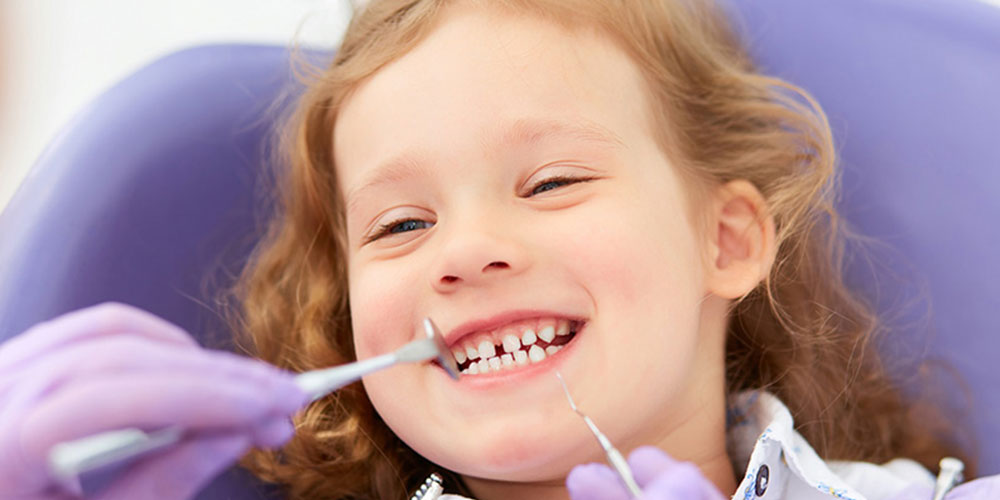
The most common misconception among parents is exactly this: “They’re going to fall out anyway, so why fix them?” The reason is simple. Baby teeth hold space in the jaw for the permanent teeth that have yet to erupt. When a baby tooth is lost too early due to cavities or infection, neighboring teeth shift and the permanent tooth may erupt crooked. This often requires orthodontic treatment that could have been avoided.
In addition, baby teeth help the child pronounce sounds correctly and chew food normally. A decayed or painful baby tooth affects the child’s appetite, sleep, and mood — and sometimes their confidence at daycare or school. Healthy baby teeth are the foundation of healthy permanent teeth.
When Baby Teeth Fall Out
Baby teeth do not all fall out at once. The replacement process lasts several years and follows a specific order. Typically, the lower central incisors are the first to fall out, around age six, while the last baby teeth (the upper second molars) do not fall out until around age twelve or thirteen. When a baby tooth falls out, it means the root of the baby tooth has gradually resorbed and the permanent tooth is ready to take its place.
If you notice that a baby tooth is “late” falling out, or that a permanent tooth is erupting before the baby tooth has fallen out, be sure to schedule an examination. A timely response prevents the improper positioning of permanent teeth.
Table – Order of Baby Tooth Loss
| Baby Tooth | Upper Jaw | Lower Jaw |
|---|---|---|
| Central incisors | 6–7 yrs. | 6–7 yrs. |
| Lateral incisors | 7–8 yrs. | 7–8 yrs. |
| Canines | 10–12 yrs. | 9–11 yrs. |
| First molars | 9–11 yrs. | 9–11 yrs. |
| Second molars | 10–12 yrs. | 10–12 yrs. |
Note: These are average values. Individual differences exist for every child.
When to Bring a Child to the Dentist for the First Time
The recommendation is clear: the first dental visit for children should happen as soon as the first tooth erupts — around the sixth month of life — and no later than the first birthday. Many parents think that is too early. It is not.
That first check-up is neither complicated nor stressful for the child. The dentist examines the oral cavity, assesses how the teeth are erupting, and gives parents specific advice on hygiene and diet. The most important thing is that the child develops the habit of regular visits from an early age and that the clinic does not become a place of fear. It is very difficult to work with a child who visits the dentist for the first time at age five in pain and with swelling, so we strive — through parent education — to avoid that.
Decayed Baby Teeth in Children
Decayed baby teeth in children are one of the most common reasons for visiting a pediatric dentist. Cavities on a baby tooth develop when bacteria in the mouth break down sugars from food and produce acids that damage the tooth enamel. In children, the enamel of baby teeth is thinner and softer than that of permanent teeth, so cavities develop faster and spread more easily.

The most common signs of a decayed baby tooth are a change in color (a white, yellow, brown, or black spot), sensitivity to sweets or cold, and pain when chewing. However, cavities in the early stage often show no symptoms at all — which is why regular check-ups are the only reliable way to detect a problem in time.
What Baby Tooth Treatment Looks Like
Treatment depends on the condition of the tooth when the child comes in for the examination. Here are the procedures we most commonly perform in children:
A preventive method of placing a protective material in the natural grooves of the tooth. The procedure is completely painless, takes a few minutes, and creates a barrier against cavities.
Fluoride impregnation
A preventive treatment that strengthens tooth enamel and makes it more resistant to cavities. Especially recommended for children with more sensitive enamel.
Fillings
White composite fillings are used to treat cavities. If the cavity is deep, we also perform root canal treatment on the baby tooth in order to preserve it.
Tooth extraction
Performed when the tooth cannot be restored, when the child has developed swelling, or when natural tooth shedding is near.
Does Baby Tooth Treatment Hurt
This is a question almost every parent asks before the first visit. The answer depends on the type of procedure, but the goal is always the same: to get the child through the entire procedure without pain and without fear.
Preventive procedures such as pit and fissure sealants are completely painless. For fillings, if the cavity is deeper, we apply local anesthesia so that the child does not feel anything. The pace of work, the atmosphere in the clinic, and the dentist’s approach to the child are just as important as the procedure itself.
Baby Tooth Hygiene at Home
Proper hygiene begins long before the first tooth erupts. As soon as the first incisors appear, it is recommended to use a children’s toothbrush and fluoride toothpaste (an amount the size of a grain of rice).
Practical tips:
- Brush teeth twice a day (morning and evening)
- Introduce a toothbrush from the first to the second year at the latest
- Use children’s toothpaste with 1000 ppm fluoride
- Give the child only water at night after the first birthday
Avoid:
- Bottles with juice or milk during the night
- Excessive intake of sweets and acidic drinks between meals
- Using fear of the dentist as a threat to the child
Baby Tooth Treatment Price List
| Service | Price |
|---|---|
| First examination and instructions on proper hygiene | 4000 RSD |
| Pit and fissure sealant – baby tooth | 2500 RSD |
| Pit and fissure sealant – permanent tooth | 3000 RSD |
| Fluoride impregnation per arch | 3500 RSD |
| Baby tooth extraction | 2500 RSD |
| Complicated baby tooth extraction | 5500 RSD |
| Filling on a baby tooth | 5500 RSD |
| Soft deposit removal | 3000 RSD |
Frequently Asked Questions
Schedule the First Examination for Your Child
If you are wondering when the right time is for the first visit, the answer is simple: the sooner, the better. Baby tooth treatment is always easier and faster when the problem is detected in time.
At the DentalVortex clinic in Zvezdara, Belgrade, the children’s dentist approaches your little one patiently and without rushing. The goal is not just a healthy tooth, but a child who comes to the clinic without fear. The clinic is located at Živka Davidovića 96A/14, Zvezdara (East Side complex).